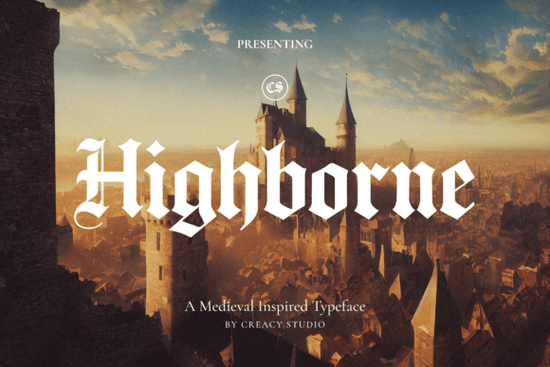
If you're looking for a blackletter font that feels both ancient and usable in modern design something with real presence but no unnecessary fuss you’ll likely find Highborne Font fits naturally into your workflow. It’s not just another gothic typeface pulled from a trend list. Designed by Creacy Studio, it draws from authentic medieval manuscript structure and heraldic tradition, but stays practical: full uppercase and lowercase sets, multilingual support, and OpenType features like alternates and stylistic touches mean it works as well on a t-shirt print as it does on a book cover or band logo.
When does Highborne actually work best?
It shines where tone and texture matter more than neutrality. Think album art for doom metal or atmospheric hip-hop genres where the typography needs to hold its own visually and emotionally. It also supports dark fantasy worldbuilding well: imagine it on a poster for a tabletop RPG event, a chapter title in an indie-published novel, or even a limited-run enamel pin with a short, evocative phrase. Because it balances dramatic contrast with clean spacing, it avoids the “overly busy” trap some blackletter fonts fall into.
Small business owners and print-on-demand sellers often ask: “Can I use this for merch without licensing headaches?” Yes Creative Fabrica’s standard license covers commercial use, including physical products like apparel, mugs, and posters, as long as you’re not reselling the font file itself. That makes it safer to use than many free alternatives with vague or restrictive terms.
What’s included and what’s not
You get one consistent regular weight in both OTF and TTF formats. No bold or italic variants but that’s intentional. Blackletter fonts rarely scale well with artificial weight shifts, and Highborne’s strength lies in its deliberate, hand-crafted rhythm. Instead of extra weights, you get thoughtful extras: alternate glyphs (like swash capitals and contextual ligatures), extended punctuation, and full Latin-based language coverage including Romanian, Turkish, and Vietnamese characters. That’s helpful if you’re designing for international audiences or multilingual branding.
It doesn’t include dingbats, icons, or matching script companions so if you need pairing options, consider fonts like Stackwin, which shares a similar historic sensibility but with slightly more rounded, approachable curves. Or try Rumbleside for a grittier, more distressed variation or Underdove if you want something with tighter spacing and sharper terminals for tight layouts like vinyl labels or small embroidery text.
How to use it without overdoing it
Blackletter fonts can dominate fast. A few simple habits help:
- Pair it sparingly: Use Highborne for headlines, logos, or short quotes only never body text. Pair with a neutral sans-serif (like Inter or Montserrat) or a restrained serif (like Merriweather) for balance.
- Watch line height: Its tall ascenders and deep descenders need breathing room. Aim for at least 1.4–1.6 line-height in digital layouts; for print, test at 120–140% of the font size.
- Test legibility at small sizes: It holds up decently down to ~24pt for display use, but avoid using it smaller than 18pt even with high-resolution output, fine details blur.
- Try it in vector-first tools: Since it’s built for crisp outlines, it renders cleanly in Illustrator, InDesign, or Affinity Designer. Avoid raster-heavy workflows unless you’re exporting at very high DPI.
For reference, you can see how Highborne Font compares to other blackletter options on Creative Fabrica’s site especially if you’re weighing subtle differences in x-height, stroke contrast, or terminal shape.
Who’s it really for?
Not every designer needs a blackletter font but if your projects regularly involve themes like medieval lore, gothic aesthetics, occult symbolism, or cinematic gravitas, Highborne is worth keeping in your active toolkit. It’s especially useful for crafters making themed greeting cards or resin jewelry with engraved text, POD sellers launching a dark fantasy apparel line, or indie authors designing their own book covers without hiring a designer.
It’s also a solid choice if you’ve tried other blackletter fonts and found them too rigid, too ornate, or too inconsistent across character sets. Highborne avoids those pitfalls by prioritizing even rhythm and clear letterform distinction even in its most decorative alternates.
Before you download: Check your software compatibility (it works in all major design apps), confirm your intended use falls under the standard license, and preview a few sample words like “Wardens,” “Oathbound,” or “Thornkeep” to see how the alternates behave in context. Then start small: try it on one poster, one album cover mockup, or one product listing before building a whole brand around it.
Get Started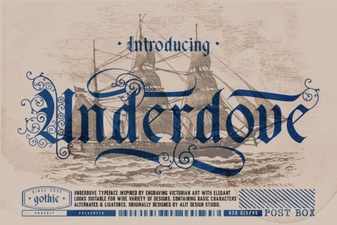 Underdove Font: Creative Projects and Design Ideas
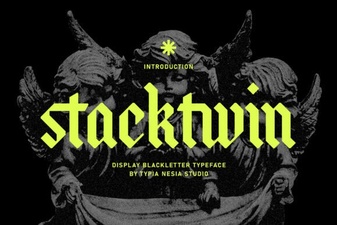 Explore Your Designs with Stackwin Font
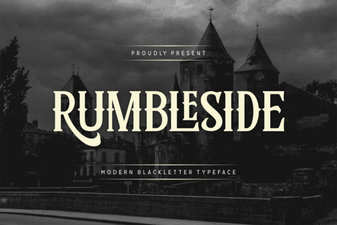 Rumbleside Font: a Creative Web Typography Guide
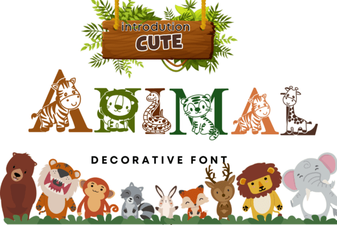 Free & Playful Cute Animal Font Downloads
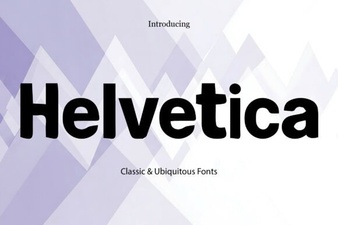 Why Helvetica Font Is a Design Classic
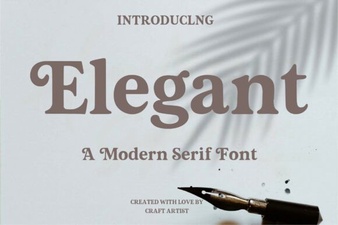 Selecting Elegant Fonts for Exceptional Web Design