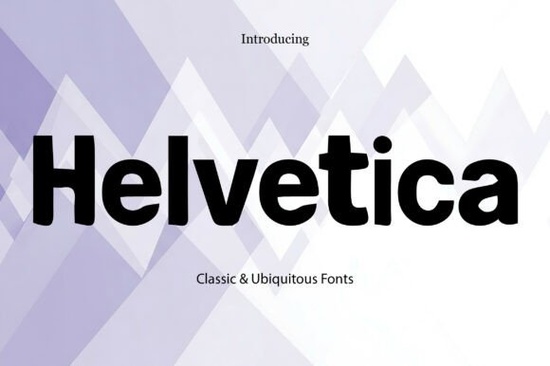
If you're looking for a clean, reliable sans-serif font that works just as well on a handmade soap label as it does in a modern website header, the Helvetica Font is a thoughtful choice. It’s not flashy but that’s exactly why designers and small business owners keep coming back to it. Its even spacing, consistent stroke widths, and neutral character make it easy to read at any size, whether printed on a tiny product tag or displayed across a full-width banner.
Why does Helvetica still feel fresh after 60+ years?
Helvetica was designed in 1957, but its clarity hasn’t aged. Unlike fonts with strong personality or decorative quirks, Helvetica avoids drawing attention to itself so your message stays front and center. That neutrality makes it especially useful for brands aiming for trustworthiness without coldness. Think of a local coffee roaster wanting clean packaging, a wellness blog needing readable body text, or a boutique stationery shop designing minimalist greeting cards. It’s the kind of typeface that fades into the background until you notice how effortlessly it supports your content.
What sets this particular version apart is how thoughtfully it balances heritage with warmth. The bold weight shown in the sample keeps Helvetica’s signature smooth curves and balanced proportions, while feeling grounded not sterile. You’ll see that subtle humanity in the way letters like “a” and “g” are shaped: precise, but not mechanical. It’s why this variant fits so naturally in lifestyle magazines or organic product labeling, where approachability matters as much as professionalism.
Where does it work best and where might you want something else?
Helvetica shines in contexts where legibility and consistency matter most:
- Branding & logos Especially for service-based businesses, clinics, or studios that want calm confidence, not loud personality.
- Packaging & labels Works well on food items, skincare, or handmade goods where clean typography reinforces quality and care.
- Digital interfaces Great for web buttons, navigation menus, and form fields where users need quick, effortless scanning.
- Print materials From brochures to business cards, it holds up beautifully in both small and large sizes.
That said, Helvetica isn’t always the right fit for every creative project. If your brand leans playful, rustic, or hand-crafted, you might prefer something with more texture or quirk like the Butterfly Wildflower Font, which offers gentle, organic curves and a relaxed rhythm. It’s a nice contrast if you’re exploring options alongside Helvetica, especially for seasonal collections or artisanal branding.
How to use it without blending in too much
Because Helvetica is so widely used (and sometimes overused), pairing it intentionally helps it stand out in the right way. Try combining it with a complementary serif for headings like Playfair Display or Lora for editorial layouts or blog posts. Or pair it with a soft, rounded sans-serif for subheadings to add visual rhythm without sacrificing readability.
You’ll also find it helpful to explore weights beyond bold and regular. Light and medium variants give subtlety to captions or fine print; extra bold adds presence to callouts or limited-edition tags. And since this version includes carefully spaced OpenType features, kerning adjustments and alternate characters are accessible if you’re working in design software like Adobe Illustrator or Affinity Designer.
For crafters and print-on-demand sellers, this font scales cleanly across fabric prints, vinyl decals, and digital downloads no pixelation or awkward spacing issues at common sizes. It’s also optimized for screen use, so if you’re building Canva templates or Notion dashboards for clients, it renders consistently across devices.
While many versions of Helvetica exist online, this one is licensed for commercial use through Creative Fabrica including personal projects, client work, and physical products you sell. You can download it directly from the Helvetica Font page, where you’ll also find usage tips and compatible file formats (OTF, TTF, WOFF).
As a point of reference, the original Helvetica design is credited to Max Miedinger and Eduard Hoffmann and you can learn more about its history and evolution through this Helvetica overview on Creative Fabrica.
A quick checklist before you start designing
- ✅ Confirm your license covers your intended use especially if selling physical goods or offering templates.
- ✅ Test readability at your smallest intended size (e.g., 8 pt on a product tag).
- ✅ Pair it with a secondary font that adds contrast not competition.
- ✅ Avoid overusing all-caps in long blocks; lowercase or sentence case improves flow.
- ✅ Check line height and letter spacing in your final layout Helvetica benefits from a little breathing room.
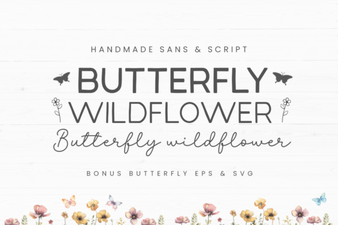 Butterfly Wildflower Font for Nature-Inspired Designs
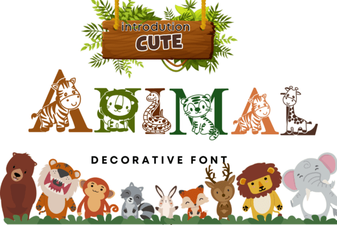 Free & Playful Cute Animal Font Downloads
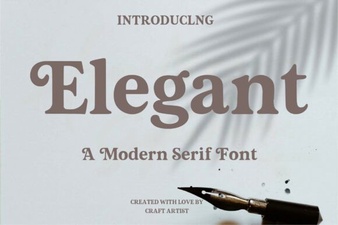 Selecting Elegant Fonts for Exceptional Web Design
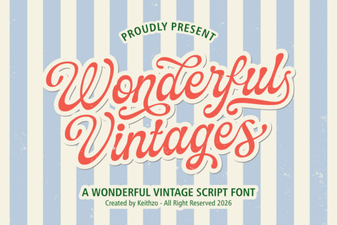 Wonderful Vintages: Classic Font for Modern Design
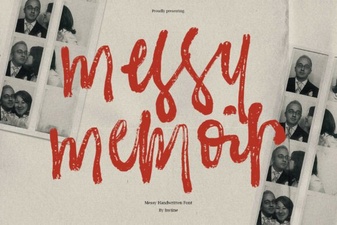 Craft Authentic Stories with Messy Memoir Font
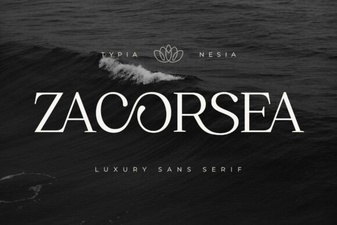 Zacorsea Font for Web Design Projects