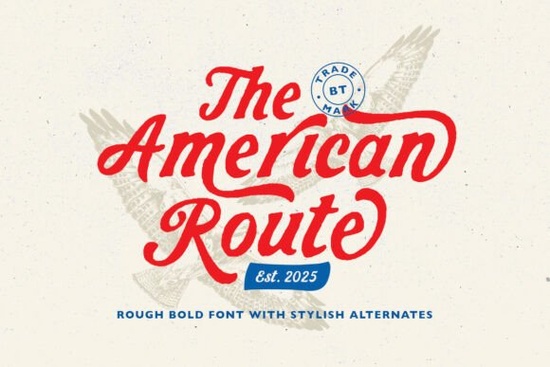
If you’re looking for a script font that feels like it was pulled from a 1950s roadside diner sign or stamped onto a vintage trucker cap, American Route Font fits the bill. It’s not overly polished and that’s the point. With its bold strokes, subtle texture, and hand-drawn imperfections, it brings warmth and authenticity to designs rooted in Americana, travel, heritage, or small-town charm. Whether you're designing t-shirts for a local brewery, creating signage for a retro café, or building a logo for a handmade soap brand with a “frontier spirit,” this font adds grounded personality without trying too hard.
What makes American Route Font work so well for real projects?
It’s built for legibility at medium to large sizes think vinyl decals, tote bags, or wall art while still holding up in digital mockups. The rough edges aren’t random; they’re carefully applied to suggest age and craft, not wear-and-tear. And because it includes stylistic alternates and swashy flourishes, you can fine-tune how energetic or relaxed the text feels. A single word like “Route” or “Diner” can become a focal point all on its own.
Unlike some script fonts that rely heavily on ligatures or require OpenType-savvy software, American Route works smoothly in basic tools like Canva, Cricut Design Space, and Silhouette Studio. That matters if you’re juggling multiple client requests or running a small POD shop where speed and consistency matter.
Who uses it and where does it shine?
- Print-on-demand sellers use it for apparel and home goods with themes like road trips, national parks, classic cars, or small-town pride especially when paired with simple line art or distressed textures.
- Small businesses (think coffee roasters, craft breweries, or antique shops) lean into its nostalgic tone for logos, menu boards, and packaging labels.
- Crafters and hobbyists appreciate how it cuts down design time: one font layer often replaces the need for extra decorative elements.
- Designers building mood boards or branding systems find it pairs naturally with serif typefaces like Bardguine Serif Script Duo Font for contrast, or with playful scripts like Miss Roderick Font for layered typographic interest.
How does it compare to other popular script fonts?
While Detourne Font leans more modern and geometric, American Route embraces irregularity making it better suited for rustic or handcrafted contexts. Compared to Candies Honeymoon Font, which has a softer, romantic flow, American Route carries more weight and presence ideal when you want your text to feel confident, not delicate. And unlike Messy Memoir Font, which thrives in journaling or handwritten notes, American Route holds up strongly in display settings where clarity and impact come first.
That said, it’s not a one-size-fits-all solution. It’s less effective for body text, long paragraphs, or minimalist layouts where clean lines dominate. If your project calls for subtlety or neutrality, look elsewhere. But if you’re aiming for warmth, character, and a sense of place especially tied to American visual history it’s worth testing alongside your usual go-tos.
Practical tips before you download
- Try pairing it with a sturdy sans-serif (like Montserrat or Oswald) for balance headlines in American Route, supporting text in something clean and readable.
- Use the included alternates sparingly: swapping just one letter (like the capital “A” or “R”) can add visual interest without overwhelming the layout.
- When cutting vinyl or engraving wood, increase letter spacing slightly the texture can make tight kerning harder to cut cleanly.
- Test print or mockup at actual size early. What looks great on screen at 72pt might feel cramped on a 3-inch patch.
If you’ve used American Route Font in a recent project, consider saving a version with layered outlines that way, you can reuse the shape as a graphic element even if you switch fonts later.
Next step: Open your current design file, drop in “Route 66”, “Est. 1948”, or “Family Owned Since…” in American Route Font, adjust tracking to +20–40, and see how much faster the mood shifts no filters, no effects, just type that already feels lived-in.
Explore Design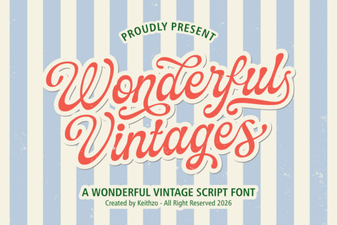 Wonderful Vintages: Classic Font for Modern Design
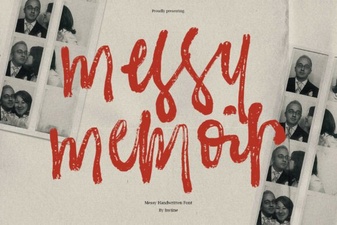 Craft Authentic Stories with Messy Memoir Font
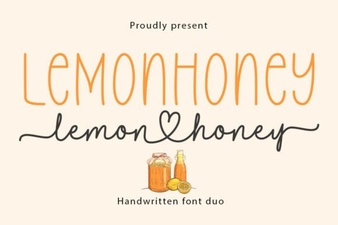 Lemonhoney Duo: a Font Pair for Creative Projects
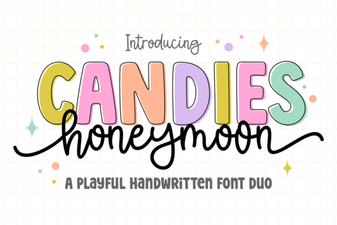 Creative Projects with Candies Honeymoon Font
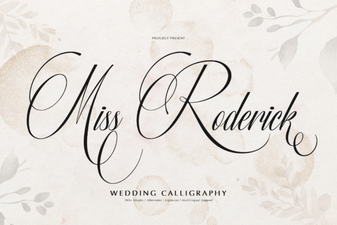 Miss Roderick Font: a Creative Handwritten Script
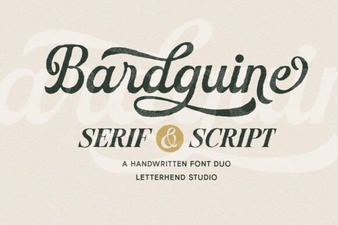 Crafting with the Bardguine Serif & Script Duo